How Can a Greenhouse Support Sustainable Living?
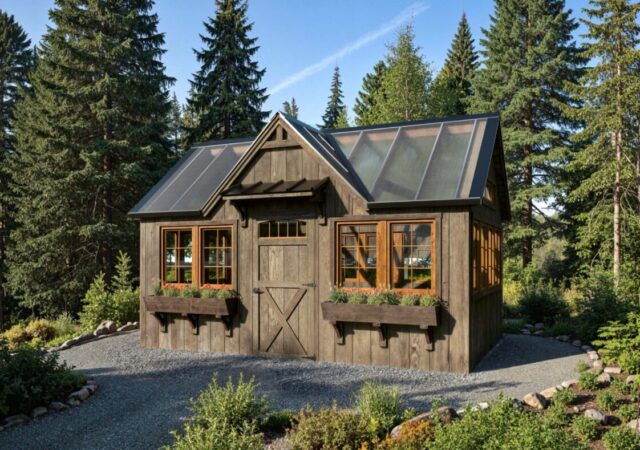
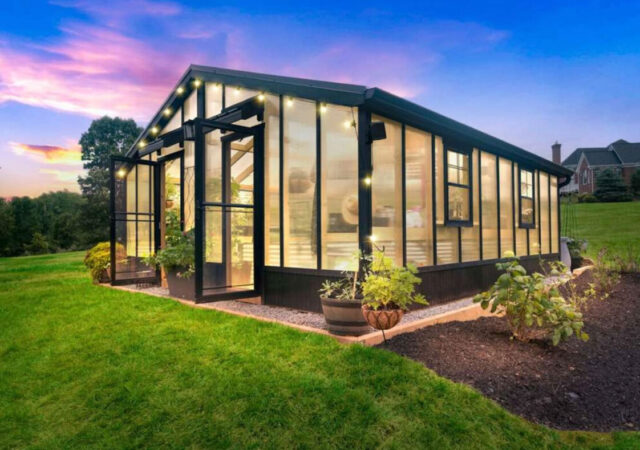
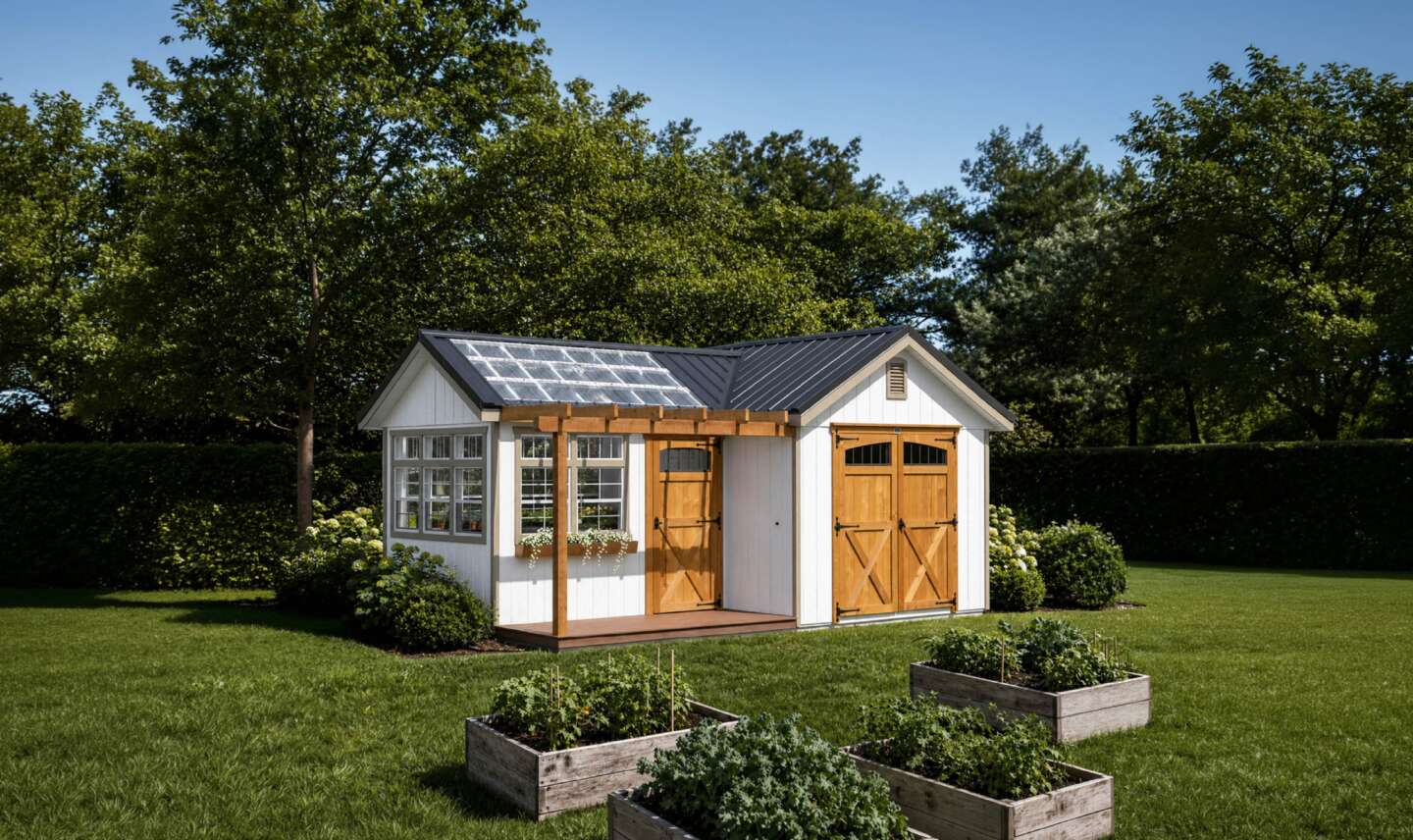
A Stoltzfus Structures greenhouse can be more than a beautiful addition to your backyard. When used thoughtfully, it can help your family grow food closer to home, reduce some packaging and food waste, conserve water, reuse organic materials through composting, and teach children about responsible gardening. The overall environmental benefit depends on how the greenhouse is heated, watered, and ventilated, but sustainable growing practices can make it a valuable part of a lower-waste lifestyle.
Growing Food Closer to Home
Harvesting crops that you planted in your greenhouse can feel rewarding, not only because you successfully grew a plant from seed to harvest, but also because you didn’t need to rely on grocery stores. Homegrown produce can move directly from the greenhouse to your kitchen, bypassing much of the processing and handling involved in commercial supply chains. Growing food at home can reduce your household’s reliance on produce that must be transported, packaged, refrigerated, and handled through a longer supply chain.
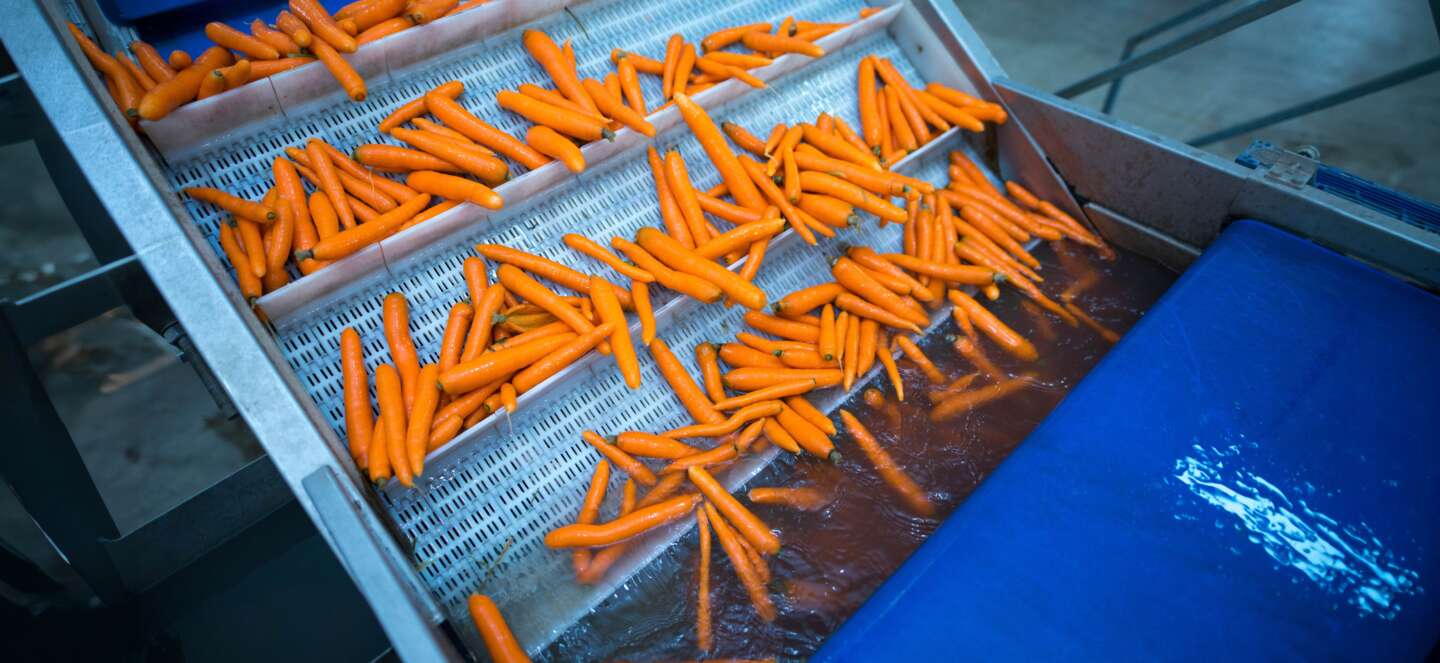
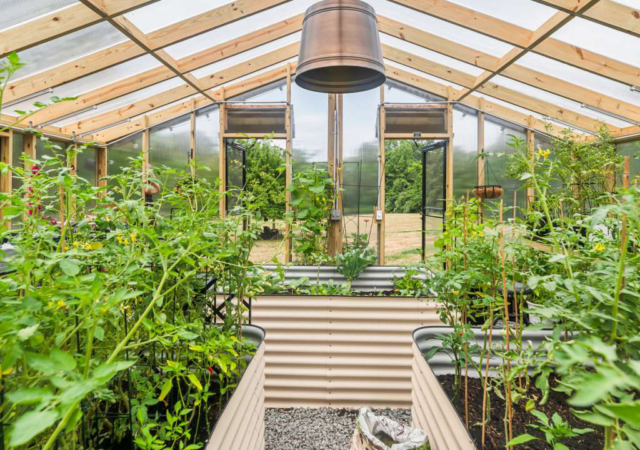
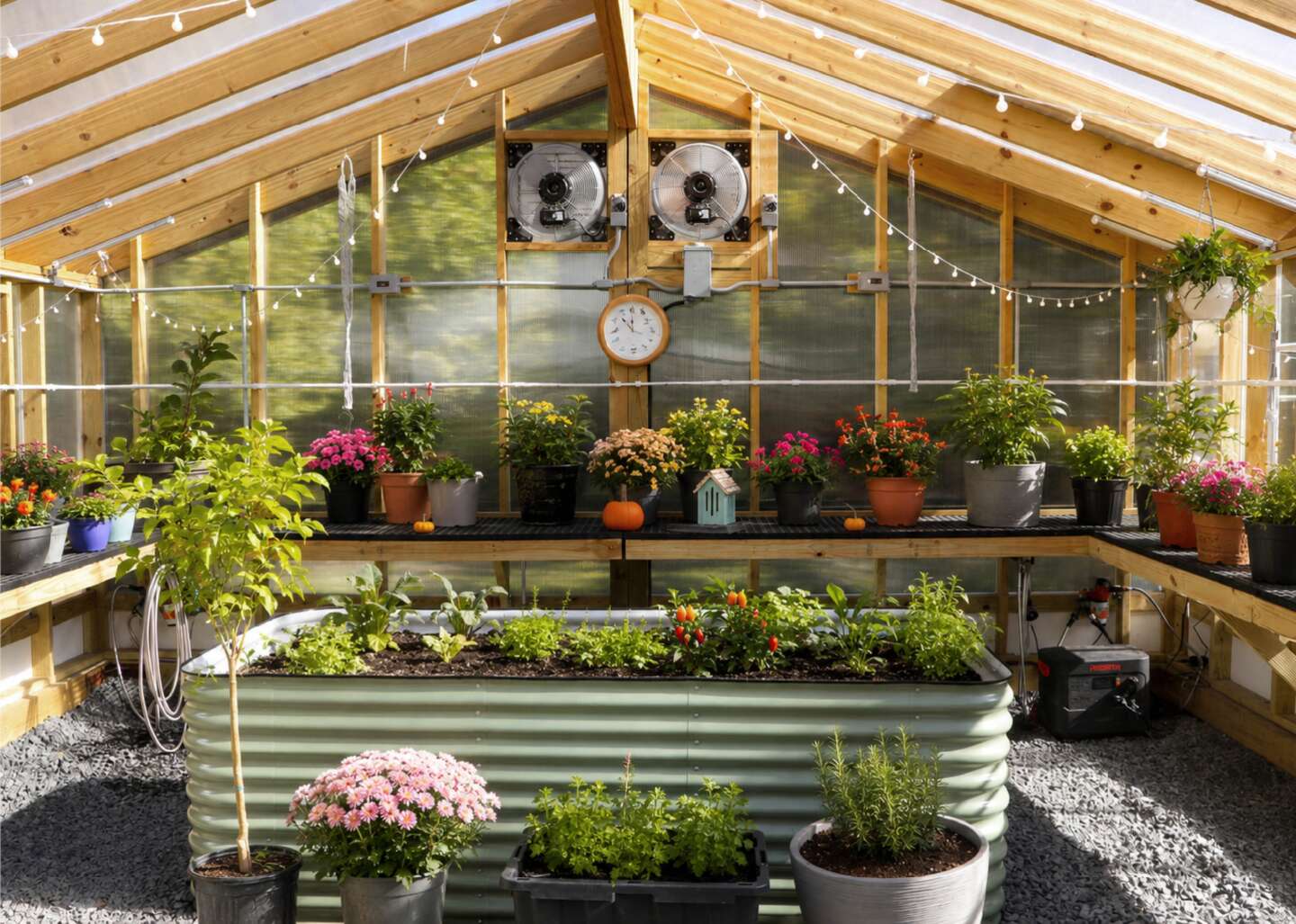
Mass production systems use considerable energy to harvest, clean, package, and transport crops. A greenhouse can operate more efficiently when it uses insulating materials, takes advantage of natural sunlight, includes appropriate ventilation, and is managed with energy-conscious practices. First, make sure your greenhouse uses insulating materials so you can create a hospitable environment for your indoor plants. Stoltzfus Structures Greenhouses use polycarbonate panels to diffuse light, retain heat, help filter harmful UV rays, and protect your plants from hail, snow, or heavy rain. Second, position your greenhouse in the best location to receive natural sunlight. The panels diffuse incoming sunlight, while their twin-wall construction helps provide insulation and improve heat retention. Third, use vents and fans efficiently to control the temperature, manage humidity, promote air circulation, support pollination, and bring in fresh air containing the carbon dioxide plants need for photosynthesis.
Support Natural Growing Practices
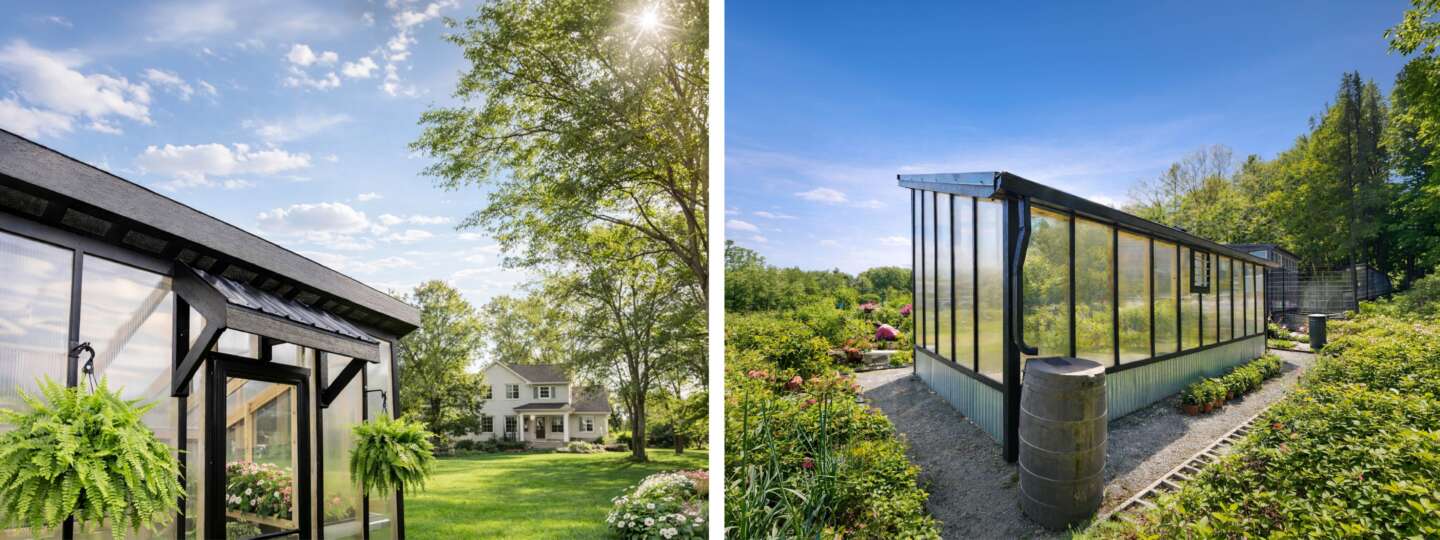
Greater control over growing methods is one reason people choose to start their own gardens. Plant native flowers around the greenhouse to support bees, butterflies, and other beneficial pollinators since these pollinators can help flowering crops produce fruit. You can leave your greenhouse door open or open the windows (in some models) to let in pollinators. In addition to attracting beneficial insects, a greenhouse allows you to monitor your plants more closely and spot harmful insects that could nibble on your crops.
Growing food at home gives you greater control over whether and how fertilizers, pesticides, and other treatments are used. A greenhouse also provides greater control over the growing environment, which can help reduce the need for unnecessary chemical treatments. Proper ventilation can also help control humidity and reduce conditions that contribute to certain plant diseases.
Reduce Packaging and Food Waste
When you purchase apples, potatoes, berries, or other produce in a grocery store, how is it packaged? Grocery-store produce is often sold in plastic bags or containers. Even loose produce is placed in single-use bags before checkout. Harvesting food at home can reduce the need for plastic containers, produce bags, and other disposable packaging materials. When you are harvesting crops at home, use a reusable basket to organize your harvest and carry produce into your home.
Food waste is a global problem, and greenhouse gardening creates several opportunities to reduce it. Food scraps, eggshells, coffee grounds, and yard trimmings can decompose into finished compost, a valuable soil amendment. Adding compost can increase organic matter, improve water retention, provide slow-release nutrients, and support beneficial soil organisms. Consider using a rain barrel to conserve water, as it collects rain, which can then be used to water your plants. Adding mulch to your soil can also help retain moisture, leading to less watering and healthier plants. Watch how one greenhouse owner conserves water, HERE.
Encourage Sustainable Habits at a Young Age
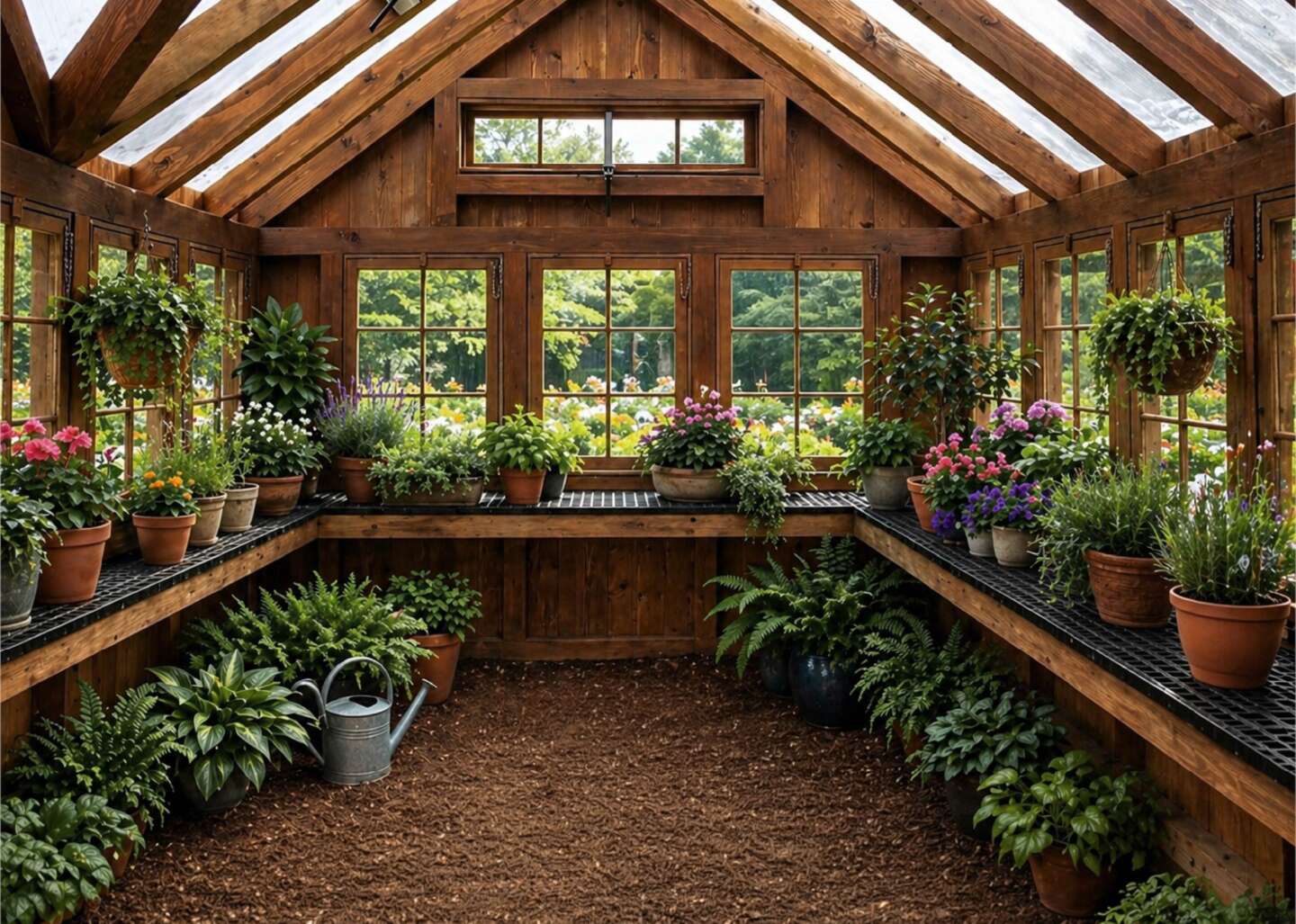
Teaching children about sustainability can help them understand how plants grow, how to reduce waste, and how to care for the Earth. Encourage your children to save fruit and vegetable scraps for composting, be careful when handling plants, and learn to use water responsibly. Invite them to get their hands dirty by helping prepare soil, plant seeds, water plants, and harvest produce. Consider using a plant-growth chart to show children when to plant different seeds and how long each crop typically takes to reach harvest.
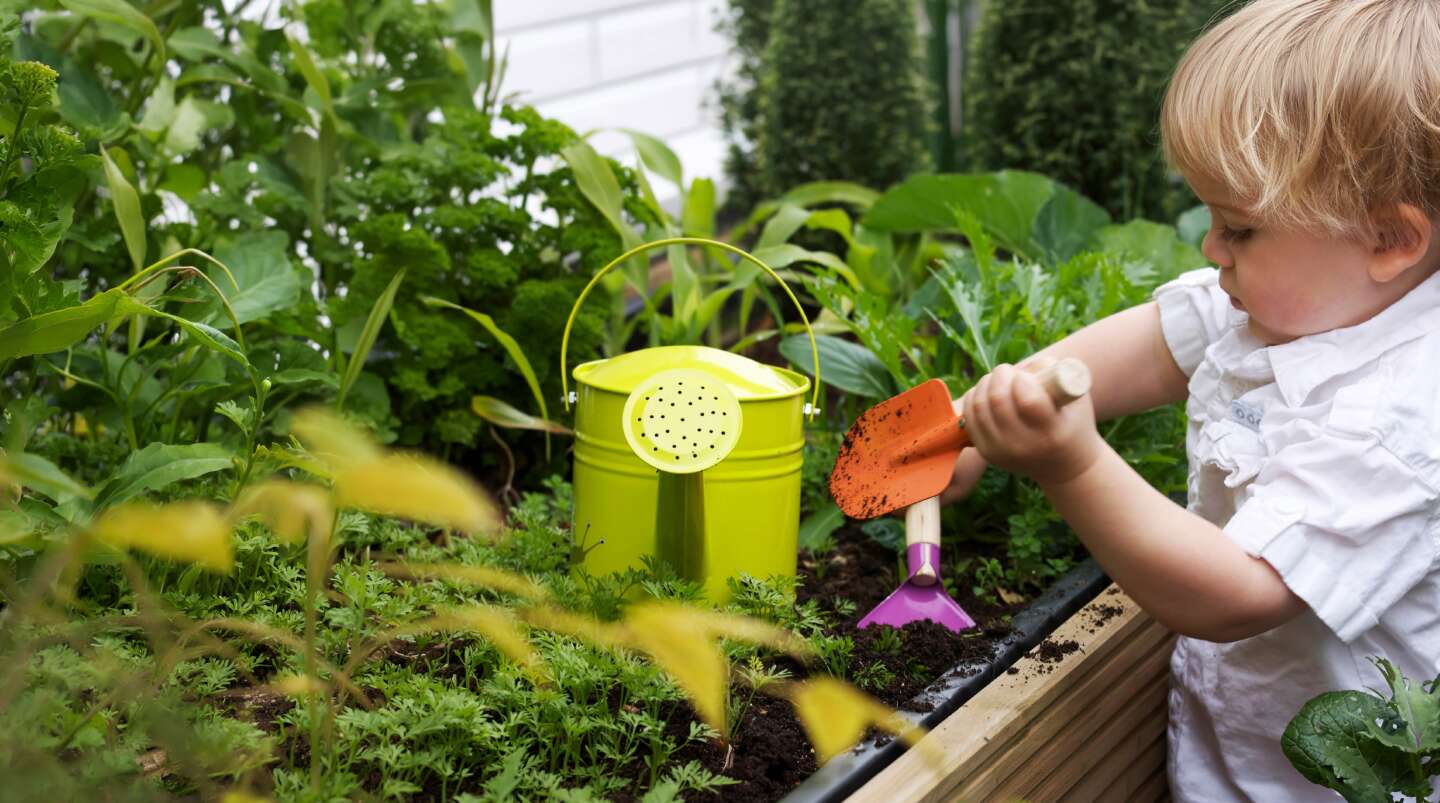
Teaching children sustainable gardening habits can build environmental awareness while encouraging healthier food choices. Growing food together gives families greater control over the products and growing methods used on their plants. See how students learn about gardening in a greenhouse, HERE. Hands-on gardening can encourage healthier eating habits and help children understand how growing choices affect food and the environment. Children often enjoy helping and working with their hands, so consider preparing a home-cooked meal together using your homegrown produce. This can teach basic cooking skills and show them how to use the crops they have spent time caring for and growing.
Extending the Season
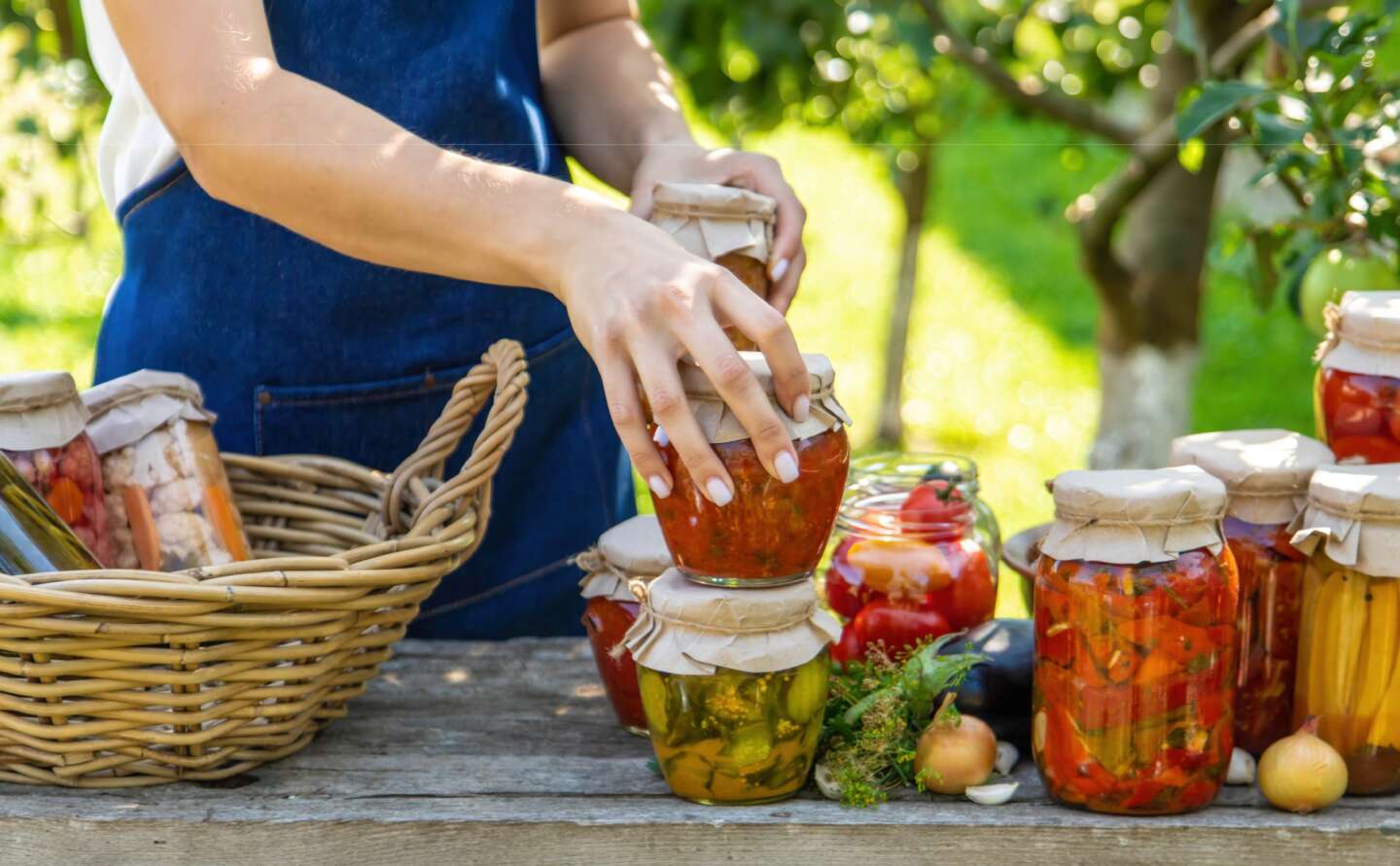
One of the major advantages of a greenhouse is the ability to extend the growing season. Seeds can be started earlier in the spring, and some plants can continue producing later into the fall. This may reduce a household’s reliance on out-of-season produce. When your harvest is larger than your household can use, consider preserving, sharing, or donating the surplus. You can also give family and friends homemade pickles, salsa, or other preserved foods made with your produce.
Simple Ways to Make Your Greenhouse More Sustainable
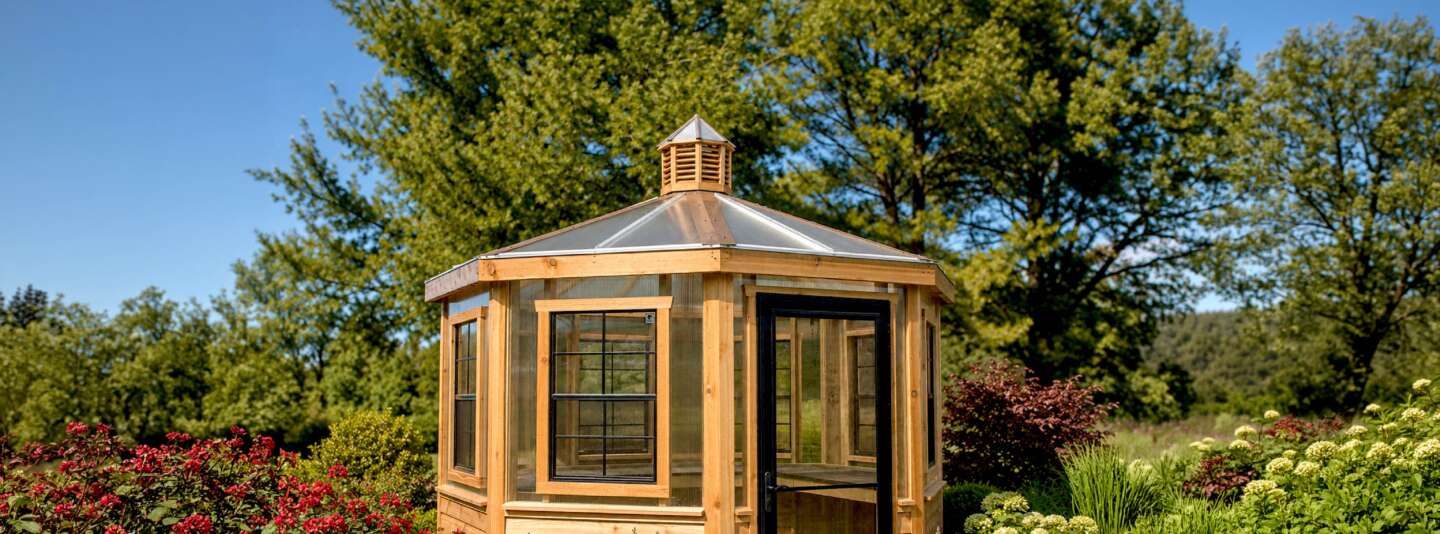
Greenhouse gardening can encourage healthier eating habits and support a more sustainable lifestyle. Start with manageable steps: compost kitchen and garden scraps, collect rainwater, use drip irrigation, reuse pots and seed trays, avoid unnecessary chemicals, support pollinators, rely on natural ventilation when conditions allow, and preserve or share extra produce. Compare Stoltzfus Structures Greenhouse models HERE.
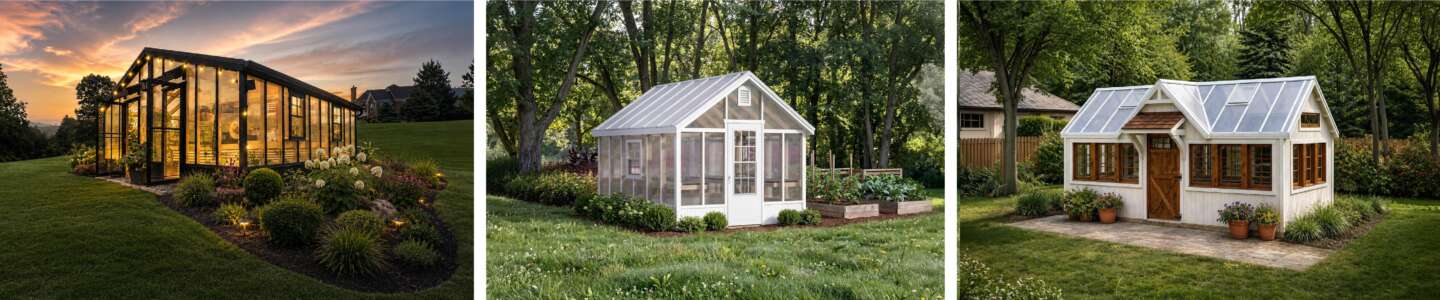
Explore Stoltzfus Structures greenhouse models to find a design that supports your sustainable gardening goals. Contact us or call 610-593-7700 to speak to a greenhouse specialist and find the right greenhouse for your property. Happy growing!
 Jada Morris
Recently graduated from college, I take advantage of having more free time and spend those moments catching up on my love of reading, brainstorming ideas for design projects, and spending time with my family, friends, and furry companions. I have two Golden Retrievers that are complete opposites, one who has enough energy to run three marathons a day if he could, and the other who would be happy to stay in bed all day! I might relate a bit more to the later but am always up for an adventure.